When Melissa Neman's mother had her first stroke, Melissa was right there.
Within 45 minutes, they were at the hospital. Melissa stayed for the discharge planning conversations and made sure she had a plan set up for physical therapy. Then she talked with her siblings about what their mother and father needed to stay as independent.
"Let's put things in place to keep them as strong as possible and engaged as possible,” she said, “because that's what's going to make them happiest."
That instinct to support rather than take over, to strengthen rather than step is what Melissa brings to her work as a care coordinator at Kendal at Home. 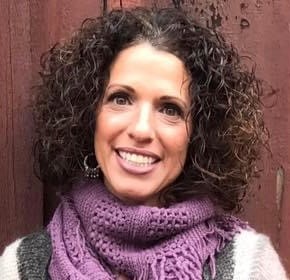 Based in the Akron, Oh. area, she joined the team in 2022 with a decade of experience as a Certified Occupational Therapy Assistant, followed by years as director of rehabilitation at CHCC Companies in Twinsburg. She also spent nine years as a preschool teacher and grew up working at a family-owned senior care home. She has spent her entire career, in one form or another, helping people stay capable, connected, and at home.
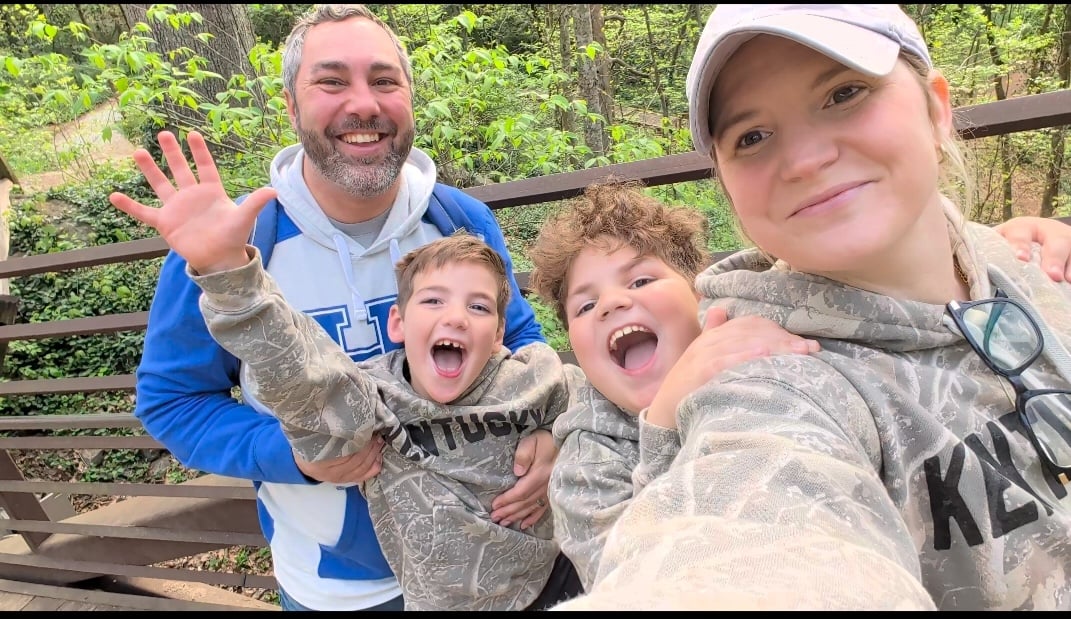
She's also, in her own words, a proud helicopter mom to three adult children and now a grandmother, making her a member of the “sandwich generation.”
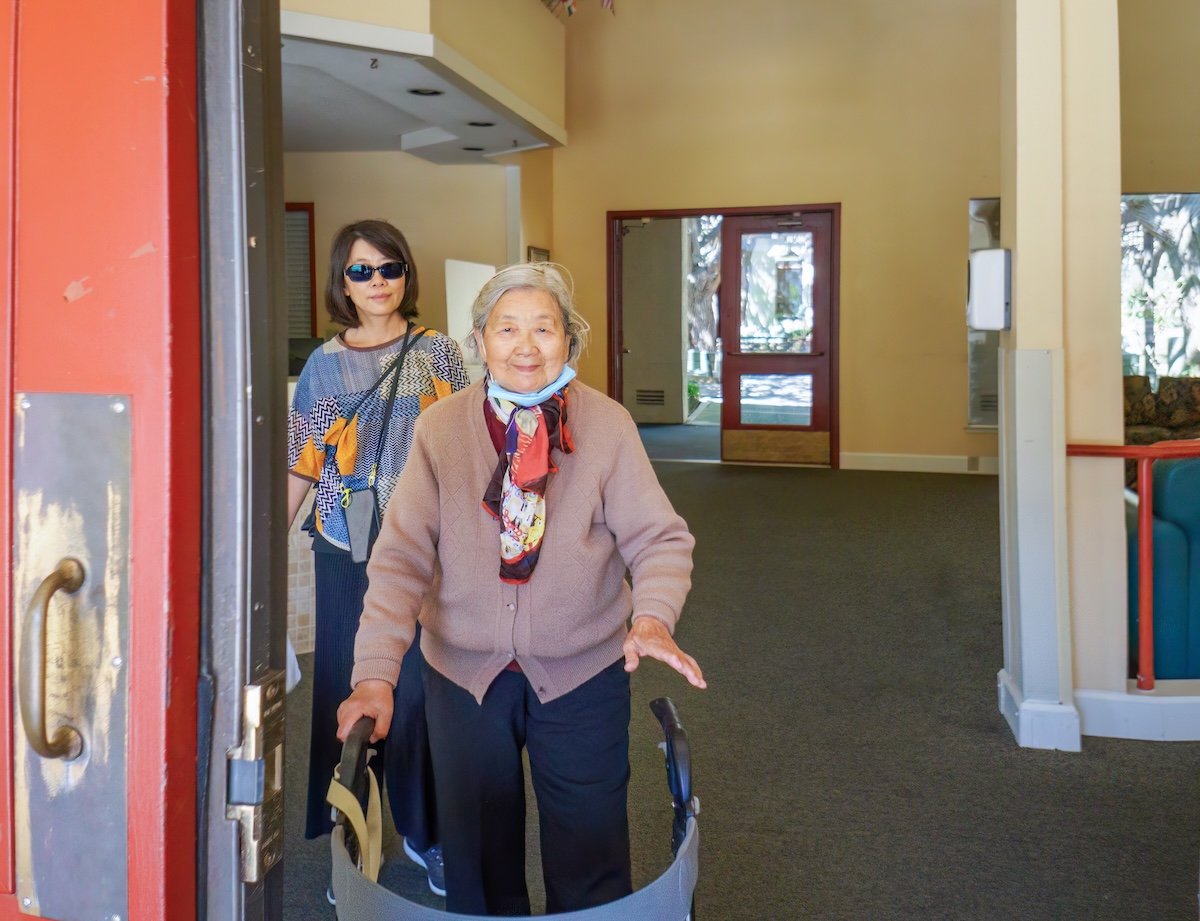
Care coordinators like Melissa are the heart of what makes Kendal at Home membership so valuable. (If you’re new to Kendal at Home, learn more about what care coordinators do.)
We recently sat down with Melissa to learn more about her approach and what she wants members to know.
You've described yourself as part of the sandwich generation — living with and caring for your own aging parents while raising a family. How has that shaped the way you work with members?
"I think a lot of caregivers struggle with letting their parents — or our members — have some autonomy. I really work not to force what I believe to be true onto our members or their families. I try to have a lot of meetings with everybody and say: this is what I think should happen, this is what we're going to try to put in place. But just because I feel that way doesn't mean our members feel that way."
"When my mom had her stroke, my sisters were like, we need to do this, we need to do this. And I said: not necessarily. Let's keep them independent. Engaged, strong 80-somethings are more independent than if I take over everything for them."
What does it look like when you start working with a new member?
"We do a pre-assessment, and then an initial plan of care meeting — basically letting them know: we're here. They're going to guide the relationship. We have to reach out at least once a month, whether by text, phone, or email. But that first meeting is really important for talking about what they see from our relationship: ‘Why did you join Kendal at Home? What do you want from this?’
"And then it's just getting to know them the best way possible. A lot of times it's silly small talk — but you learn a lot that way."
What kinds of things do you help with that members might not expect?
"I've found plumbers for people. I had a member whose well flooded her whole basement, no power, and we found an electrician and a plumber who could get there quickly, brought a generator, helped clean out the basement. There's those last-minute, quick-turnaround things."
"We also do a whole comprehensive assessment — functional, nutritional, falls risk, geriatric depression scale, home safety, cognitive. Based on those scores we can talk about what might help: personal training, meal coordination, adaptive equipment if someone has surgery coming up. I have a member having neck surgery in a couple of weeks, and I'm going to see her beforehand to talk through what recovery will look like and what we can put in place."
"And through our partnership with Dorvie (a concierge service), members can also get help finding and vetting home service providers — contractors, handypeople, that kind of thing. Kendal pays their membership into Dorvie, so it's there for members to use."
What do you think is the most important thing Kendal at Home offers that people may not fully understand when they join?
"The advocacy. We have the clinical knowledge to help members understand and navigate Medicare — what it should provide when they're in the hospital, what it doesn't provide, what we can help with. A lot of people just don't know those things naturally. But we do, because we have to."
"And then just... we're going to walk with them through the hardest times. Through the good times and the bad times. We're going to be there, we're going to get to know them — and advocate for them when they want us to, and when they need us to."
What's most rewarding to you personally about this work?
"I love being able to help people. I went into occupational therapy for a reason — the idea that I can help people navigate the healthcare system, help them find meals, get to know their little niches and figure out what might be best for them that isn't best for somebody else. Just helping them navigate as they age."
"Honestly, I would much rather go out and just hang out with my members and chit-chat with them. That's actually the best part — the small talk through it all."
Want more stories from the Kendal at Home team and our members? Subscribe to our newsletter to receive articles like this, along with tips for healthy aging and living life on your own terms.