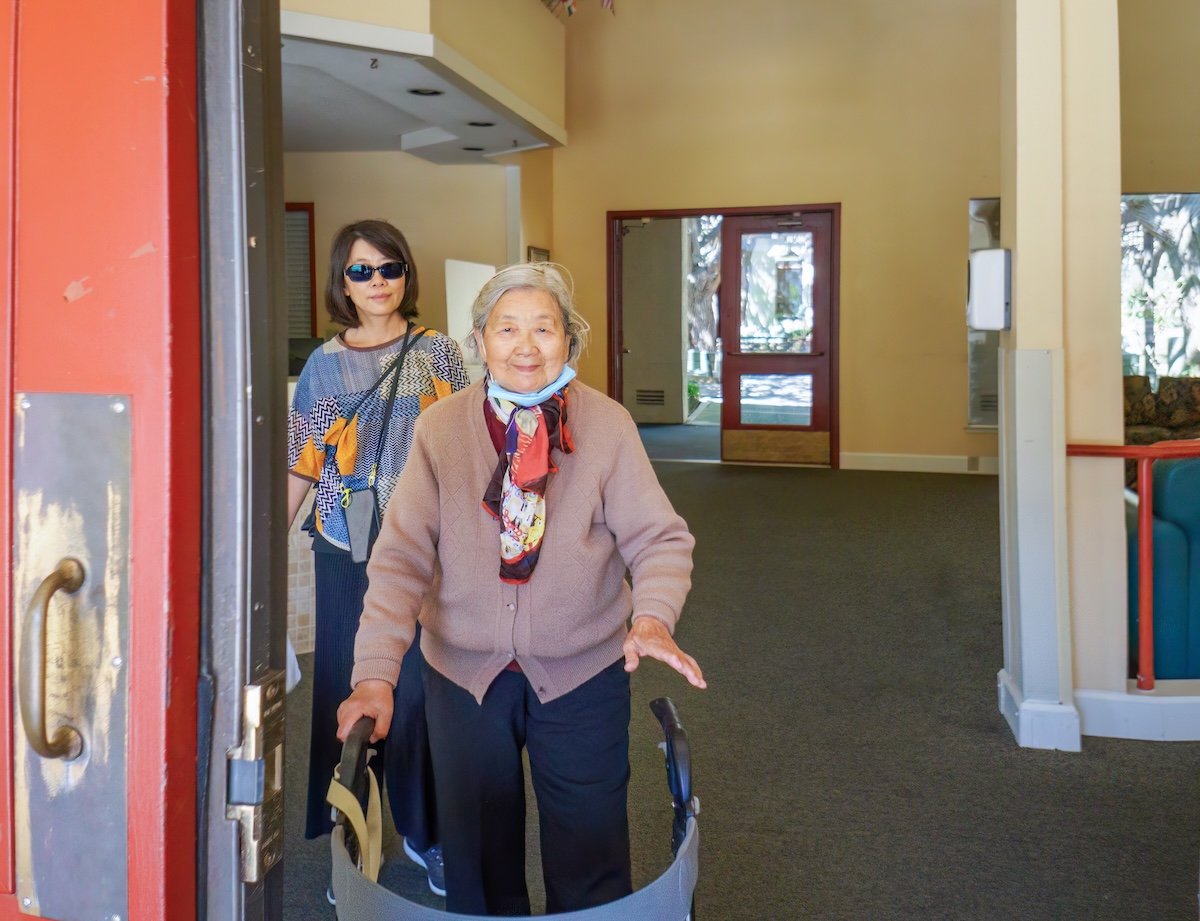
Stephanie Tewes spent nearly a decade watching the same thing happen over and over.
A patient would grow stronger and more capable in skilled nursing rehab. Then they'd be discharged, and within weeks, sometimes days, they'd be back. That was because many of these patients didn’t have someone to help them through their recovery, even something as simple as checking in with them to make sure they were up and moving and driving them to follow-up appointments would have made a big difference.
"There isn't that support at home for most people," she said. "You may give them a resource for a caregiver, but not everybody takes that and runs with it. And if they do, insurance only covers so much, and for so many days. Once they exhaust their benefits, they're on their own,and many can’t continue to afford it.”
Stephanie joined Kendal at Home almost five years ago as a care coordinator hoping to close that gap.
As a certified occupational therapy assistant, she quickly moved into leadership, becoming Director of Therapy Services at a skilled nursing facility just months after earning her degree and license.
She brought that clinical depth to Kendal at Home, along with a clear perspective of what people need to stay independent.
How Stephanie Builds Relationships With Members
When a new member joins, they're usually healthy and don’t need a lot of support. That’s the perfect time to get to know who they are and what’s most important to them.
"The relationship is truly what they want it to be," she said. "Some just want me to give them a call once a month, others want me to come be in person at their house every month, and some even like sharing a meal every few months together.”
Like all Kendal at Home care coordinators, she does an initial assessment after someone joins, then follows up to go over her contact information and learn how the member wants to stay connected.
She learns more about their goals and shares resources that can help them, such as Spiro100, a subscription to virtual fitness classes available to all members, and Dorvie, a concierge service that helps with everything from landscaping and moving to transportation and pet care.
By the time a member is facing a difficult medical situation or a family member asks Stephanie for input, they’ve already established rapport and trust.
The Care Coordinator’s Role as Advisor
It’s hard for most people to accept help when they need it, and it’s just as difficult for families to bring it up. It could be a concern about driving or a realization that their loved one isn’t eating enough because they’re having a harder time planning and preparing meals.
A care coordinator is often the first to identify these needs or offer a recommendation members might be more open to receiving.
"Family members are sometimes reluctant to be the ones to say, ‘We don't think you should be managing your medications by yourself anymore,’ she said. “We become that voice of reason."
This is also true in medical settings.
Stephanie recalled one situation when a member fell and reported landing on his shoulder.
Upon visiting the member at the hospital, he communicated with Stephanie that his hand was swollen and painful. Stephanie requested the nurse to review the X-ray with her, the member and his wife, which turned out to be imaging of only the shoulder. She requested an X-ray to include the rest of the arm with the members agreement.
The member called Stephanie later that afternoon to report that he actually had two fractures in his hand.
When someone needs ongoing care at home, Stephanie can recommend professionals from Kendal at Home’s preferred providers so their family doesn’t have to spend time researching and vetting people.
And if someone calls off, she works quickly to find a replacement.
For members who need help with transportation, Stephanie can coordinate rides through Uber Health, which lets her track the route and message the driver. Sometimes she’ll accompany a member to a visit so she can hear the doctor’s recommendations, take notes, and make sure they’re getting the follow-up care they need. Most recently, she accompanied a member for a breast cancer biopsy review where she learned her diagnosis and surgical plan. This also included calling her son so he could join the conversation by phone.
She recently worked with a medical supply company and the member’s urologist to obtain the right documentation for insurance coverage and delivery of catheter supplies. When another member had a billing concern after staying in a rehab facility, she helped identify the billing code error to obtain 100% coverage for their stay.
The Goal: Helping Members Thrive
For members who already have long-term care insurance, Kendal at Home fills gaps in coverage while managing the support they need.
Long-term care insurance typically requires that someone is unable to do two or more activities of daily living before they can claim benefits. Many policies have elimination periods of 90-120 days where policyholders don’t have a choice but to pay out of pocket for care. When they do file claims, they may not always be reimbursed.
In addition to having a care coordinator like Stephanie, Kendal at Home members can choose care coverage that fits their needs and budget, with daily benefits based on the average costs for care where they live.
Coverage is available the day they join, and care coordinators can help them understand how Medicare, long-term care and their Kendal at Home benefits work together.
For instance, someone may only be eligible for long-term care benefits when they are no longer physically able to feed themselves, but a care coordinator intervenes much sooner, providing support if members need help with grocery shopping or meal preparation.
“'It's surviving versus thriving,” she said. “And we're here for the thriving. I feel all older adults have the right to their independence, even if that means we have to modify that independence just a bit.”
Stephanie feels encouraged to see so many members living their best life.
"When I was in skilled nursing, I saw people who were relatively young, in their 60s and struggling, and now I’m seeing 89-year-olds still biking 80 miles a week, solo agers traveling across the world, and members continuing to do the things that are purposeful to them well into their 90’s.” she said. “That’s the most rewarding part for me.”