With the start of a new year, you may have goals to improve your health and well-being.
Your body changes over time, so what worked in your 40s might not give you the same energy or results today. But here's the good news: you can adapt. And one of the best ways to do that is taking charge of what you eat.
Preparing and cooking most of your meals at home puts you in control. The better you are at preparing nutritious foods in your own kitchen, the longer you’ll be able to enjoy independent living in the home you love.
In this post, we’ll share the latest dietary guidelines for older adults, define heart-healthy eating and feature 12 heart-healthy recipes to inspire you.
Revised Nutrition Guidelines
In January 2026, the USDA published revised Dietary Guidelines for Americans that encourage people to build a diet based on whole, nutrient-dense foods, with an emphasis on protein, dairy, vegetables, fruits, and healthy fats.
Here are some highlights:
- Limit low-quality, highly processed foods
- Prioritize high-quality protein at every meal
- Eat fruits and vegetables throughout the day
- Don’t exceed 10 grams of added sugars at each meal
- Keep your daily sodium intake under 2,300 milligrams
- Limit alcohol for better overall health
On page 8, the guidelines specify dietary recommendations for older adults.
For example, while you may need fewer calories, you still need equal or greater amounts of key nutrients such as protein, vitamin B12, vitamin D, and calcium. To meet these needs, focus on these nutrient-dense foods:
- Dairy products
- Meat and poultry
- Seafood
- Eggs
- Legumes
- Vegetables, fruits, whole grains, nuts, and seeds
If you’re having difficulty with dietary intake or absorption, talk to your doctor about adding fortified foods or supplements.
What Heart‑Healthy Eating Really Means
To safeguard your heart, focus on overall eating patterns rather than aiming for perfection at every meal. Everyone has the occasional cheat day or less nutritious meal.
The goal is to choose healthy options most of the time. Strive for balance by focusing on:
- What to limit: sodium, added sugars, refined grains, saturated fat, and highly processed foods. These raise inflammation, blood pressure, and cholesterol—key factors that can lead to heart attack or stroke.
- What to eat more often: vegetables, fruits, whole grains, legumes, fish, nontropical oils, and nuts or seeds. These provide fiber, vitamins, minerals, antioxidants, and healthy fats that help lower cholesterol, inflammation, and blood pressure.
12 Heart-Healthy Recipes
Need some simple and delicious meals that are good for your heart? Explore the following recipes, broken down by meal category:
Breakfast and Brunch
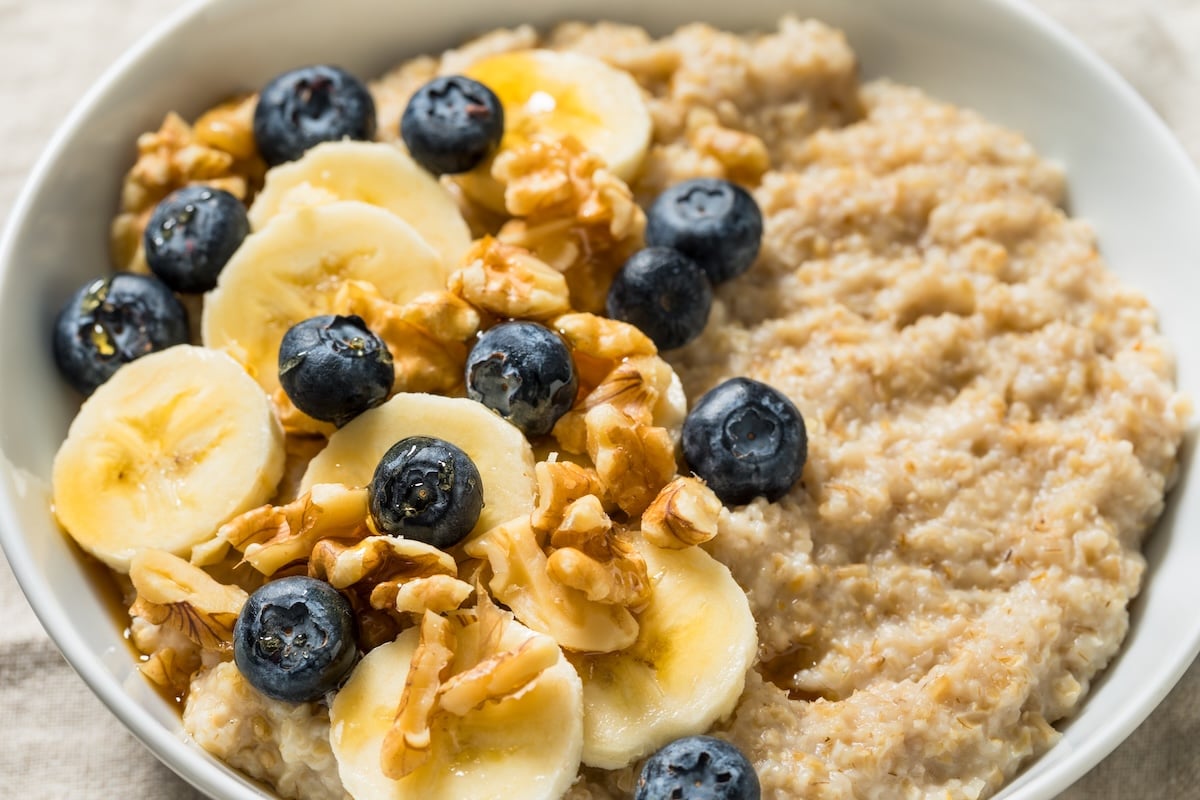
- 1. Overnight Refrigerator Oatmeal
- Start your day strong with a single-serve, high-fiber overnight oatmeal.
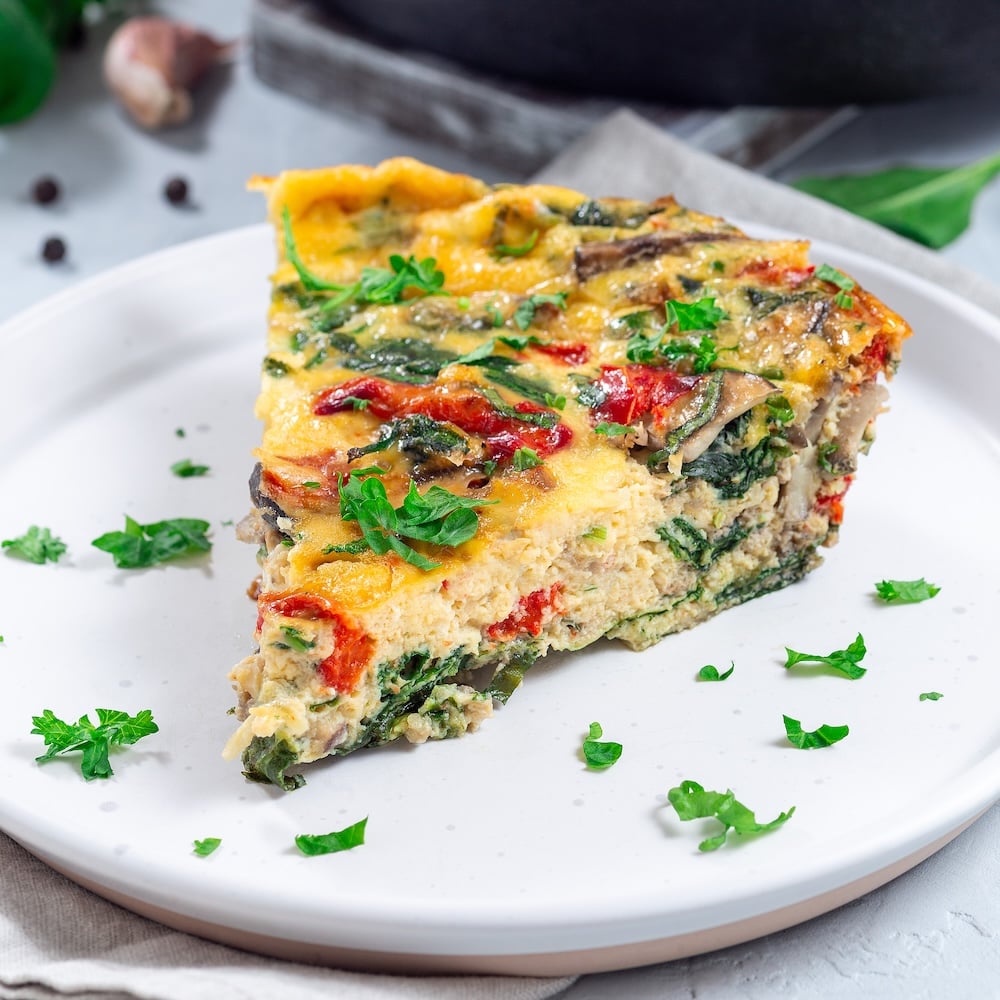
Grab the recipe - 2. Spinach Frittata
- This brunch staple combines protein and veggies, making it easy to reheat leftovers.
Check out the recipe
Soups, Salads and Sides
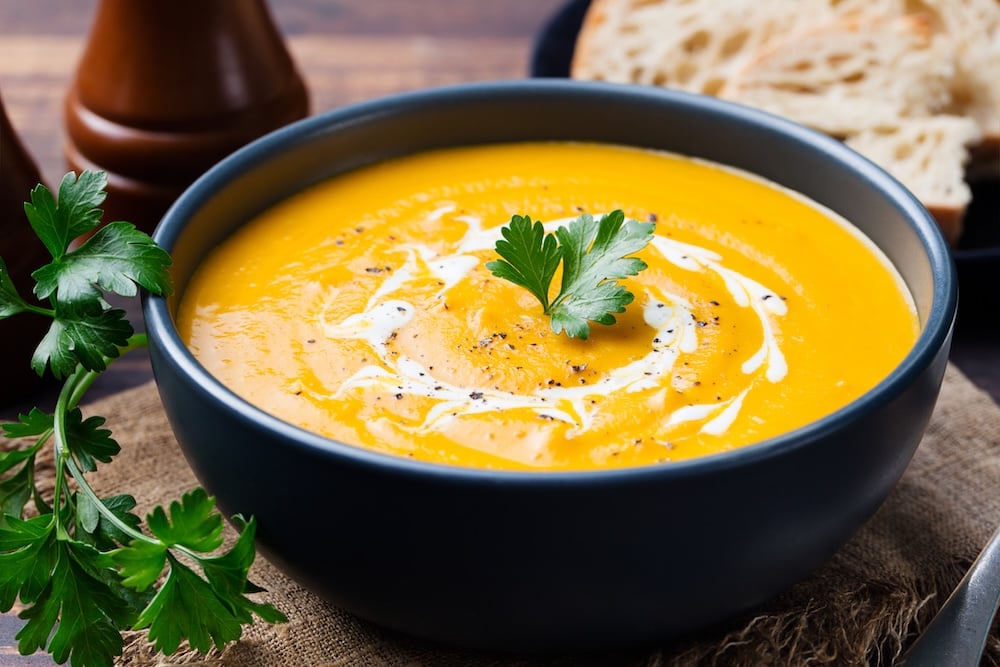
3. Carrot Soup with Coriander
This rich and flavorful soup is naturally low in saturated fat.
Check it out
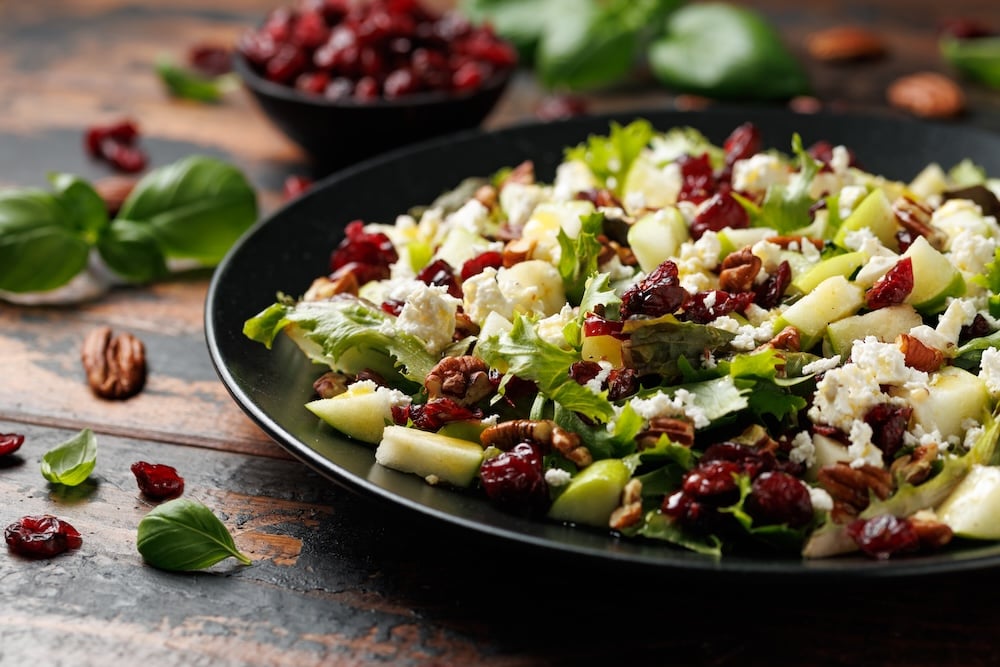
4. Mediterranean Salad
Combine beans, greens and olive oil to create a classic, heart‑smart combo.
Read the recipe here
5. Quinoa and Apple Salad With Almonds and Mint
This crisp, fresh salad features whole grains plus fruit and nuts
Get cooking
Seafood Mains
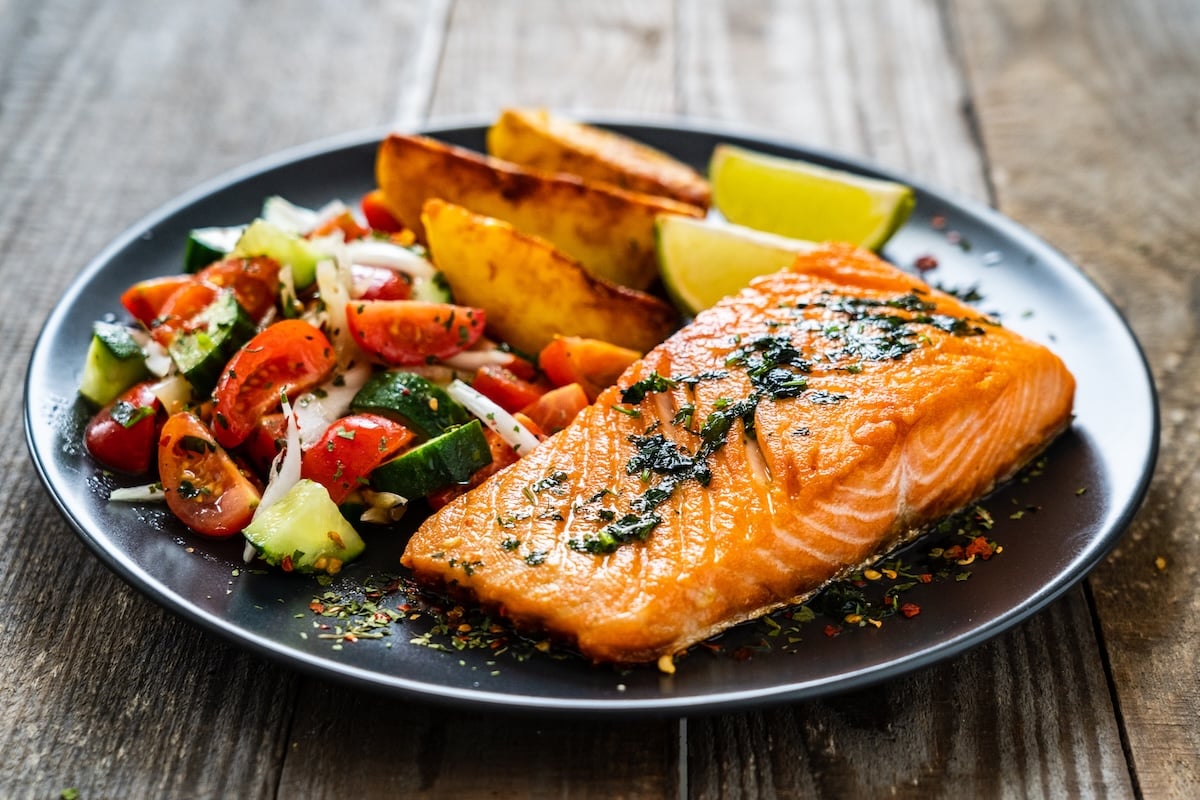
6. Baked Salmon With Southeast Asian Marinade
Enhance your fish with this flavorful, lower‑sodium marinade.
Check out the recipe
7. Baked Salmon Dijon
Enjoy this zesty, heart‑healthy staple that’s ready in just 30 minutes.
Start baking
8. Baked Fish
Use this adaptable white-fish method to keep it crisp without deep-frying.
Give it a try
9. Cold Asian Noodle Salad With Salmon
Learn a smart way to use leftover fish.
Get the recipe
Poultry and Lean Meats

10. Air Fryer Crispy (Un) Fried Chicken
Get the classic fried-chicken crunch with much less saturated fat.
Check it out
11. 20‑Minute Chicken Creole
This quick, veggie‑rich skillet delivers big flavor without a lot of added salt.
Grab the recipe
Dessert

12. Heart‑Healthy Banana Mousse
Enjoy this simple, low-fat mousse packed with the benefits of bananas and Greek yogurt.
Make it tonight.
Why try these recipes? They emphasize vegetables, fruits, whole grains, legumes, fish/lean proteins, and unsaturated fats while limiting sodium, added sugars, and highly processed foods. They also rely on spices and herbs, rather than just salt, to enhance flavor.
Cooking for One (or Two)
Get the most out of your meal-prep and minimize waste with these quick tips:
- Batch once, eat twice. Portion and freeze single servings of each meal. Store food safely in air-tight freezer bags or containers, labeling each item with the date. Try to eat most refrigerated items within 2-3 days and frozen items within two to three months for optimal flavor and safety.
- Assemble a smart grocery list. Organize your grocery list into three smart categories: pantry, produce, and protein. Pantry items have a longer shelf life and can be used for multiple recipes. For produce, choose fresh fruits and vegetables that can be used across numerous recipes. Plan and portion proteins since they are usually the most expensive and perishable food items.
- Check with your physician for personalized guidance, especially if you have a condition that requires specific restrictions.
- Read Cooking for One: Kendal at Home for more cooking tips for older adults.
Resources for Aging Well
Cooking at home helps you stay in control of your health, your budget, and your independence.
The longer you can prepare meals that fuel your body well, the longer you can keep doing what you love, right where you love to do it.
At Kendal at Home, we support your independence through every stage.
Our care coordinators can connect you with nutritional assessments, meal planning resources, and trusted services when you need extra help, whether that's grocery delivery or meal preparation support.
Learn more about staying healthy and independent at home. Download our resource on nutritional needs for adults over 50.
You can also register for a virtual seminar to learn more about how Kendal at Home helps you stay independent and supported as you age on your own terms.